The glitz and glamour of the Emmy Awards often spotlight the pinnacle of TV excellence, celebrating shows that have captivated audiences and critics alike. But even in the most acclaimed series, there are moments that miss the mark. Here, we delve into the other side of these celebrated series. This list uncovers those scenes and episodes that, despite the shows’ overall success and critical acclaim, fell short of expectations or sparked controversy among viewers.
From poorly executed plot twists to underwhelming character developments, we explore the less celebrated aspects of the year’s most lauded shows. Join us as we take a closer look at the moments that proved even the best of TV can have its off days, shedding light on the imperfections that make these shows intriguingly human.
The White Lotus’ Worst Episode (Season 1, Episode 1)
“The White Lotus” series starts with “Arrivals,” the first episode of Season 1, often cited as the worst in the series. This episode sets the tone for the show, introducing guests and staff at the luxurious White Lotus resort. Each character begins to unravel their complex narratives, with resort manager Armond trying to appease the demanding guest Shane and spa director Belinda dealing with a grieving Tanya.
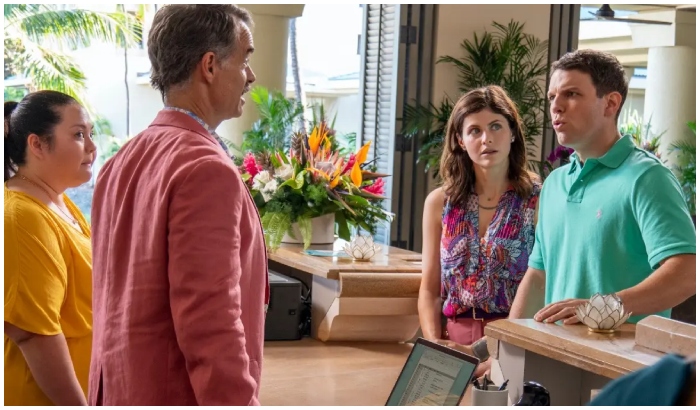
While this episode lays the groundwork for the unfolding drama, it has been criticized for its slower pace and less engaging plot than subsequent episodes. Both Series with Sophie and EpisodeGeek agree that this episode is the least favorable among fans. EpisodeGeek notes its rating is slightly below the show’s average.
The White Lotus’ Worst Scene
One of the most cringe-inducing scenes, which also arises by fans as the worst scene in “The White Lotus,” involves Armond, the resort manager, played by Murray Bartlett. In a particularly shocking and distasteful moment, Armond, under the influence of drugs, sneaks into a guest’s room and uses their suitcase as a bathroom.
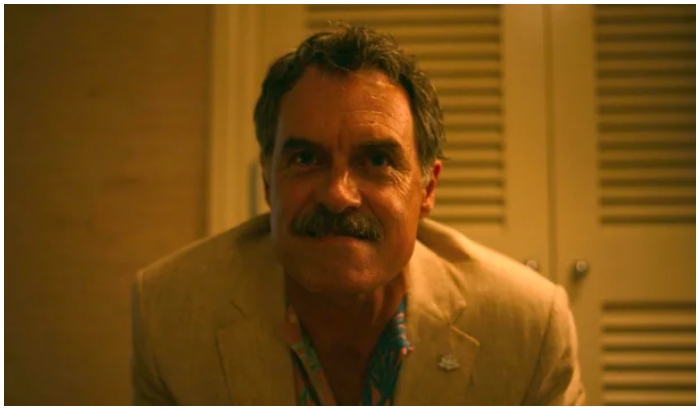
This act, both cringe-worthy and disgusting, marks the culmination of Armond’s downward spiral throughout the season and precedes his unfortunate demise, making it one of the most talked-about scenes in the series, but in a bad way.
House of the Dragon’s Worst Episode (Season 1, Episode 6)
In “House of the Dragon,” the episode titled “The Princess and the Queen,” the sixth episode of Season 1, is often regarded as the series’ low point. This episode features a significant time skip, a point of contention among viewers. The narrative jumps forward by ten years, focusing on Rhaenyra as she grapples with Alicent’s suspicions about her children while Daemon considers a proposition in Pentos.
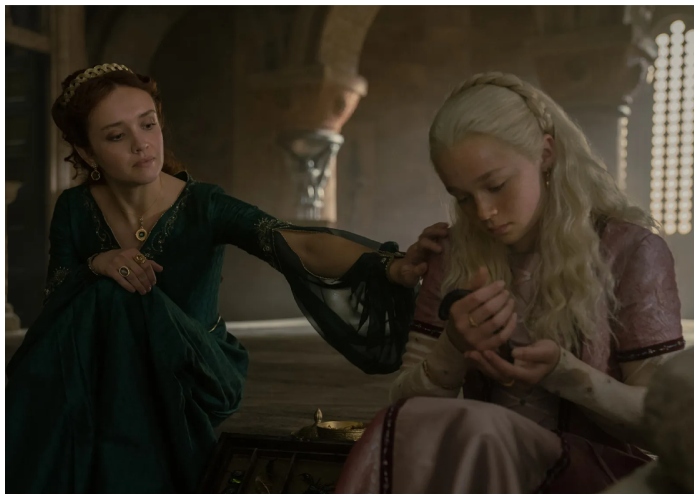
Despite its essential role in advancing the story, this episode received criticism for its abrupt shift in time, which some fans felt disrupted the flow of the narrative and character development. Series with Sophie rated this episode as the worst, emphasizing the challenges posed by the time skip and its impact on the series’ continuity.
House of the Dragon’s Worst Scene
In “House of the Dragon,” one of the most controversial and talked-about scenes occurs in the series premiere and involves Queen Aemma Targaryen giving birth. The scene is intense and brutal – led many fans to crown it as the worst scene – showcasing a forced Caesarean section performed without anesthesia, leading to the deaths of both Aemma and her baby. This sequence sparked significant discussion and debate among viewers. King Viserys Targaryen, faced with a critical decision between his wife and unborn child, opts for the child to secure a male heir.
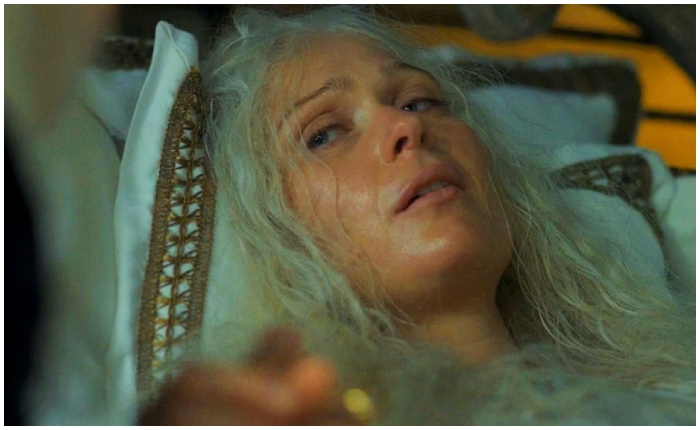
This decision and the graphic depiction of the emergency procedure underscore the violent and dangerous nature of childbirth in medieval settings, a central theme in the series. The showrunner, Miguel Sapochnik, defended the inclusion of this scene, emphasizing its importance in illustrating the harsh realities of the time and the lack of agency women had over their bodies. He pointed out that this scene was crucial for understanding the character of King Viserys and the world they inhabit, where power dynamics often overshadow personal relationships and moral considerations.
The Crown’s Worst Episode (Season 5, Episode 1)
The episode “Queen Victoria Syndrome” from Season 5 of “The Crown” is often regarded as the worst in the series. This episode portrays a significant period in Queen Elizabeth II’s reign, focusing on the challenges surrounding the royal yacht and Charles and Diana’s personal and public struggles.
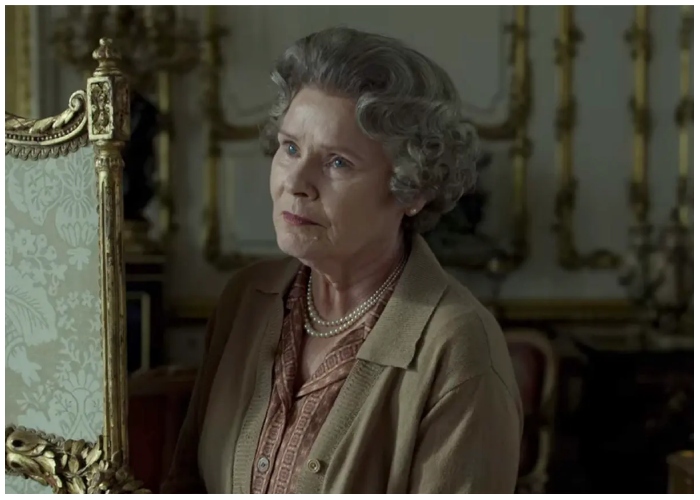
Despite its rich historical context, the episode received criticism from viewers, mainly due to its pacing and how it handled the intricate relationships and events of the time. According to Series with Sophie, it was rated as the least favorable among fans.
The Crown’s Worst Scene
In television drama, few scenes have sparked as much conversation as Princess Diana’s singing performance in Season 4 of “The Crown.” This particular moment, which features Diana singing “All I Ask of You” from the musical “The Phantom of the Opera,” was intended to depict a deeply personal and vulnerable gesture from Diana to Prince Charles. The scene is heartwarming and heartbreaking, showcasing Diana’s desire to connect with Charles through a private concert, a gift for their seventh wedding anniversary. However, what was meant to be a tender moment is tinged with a sense of foreboding, given the couple’s strained relationship and the looming troubles in their marriage.
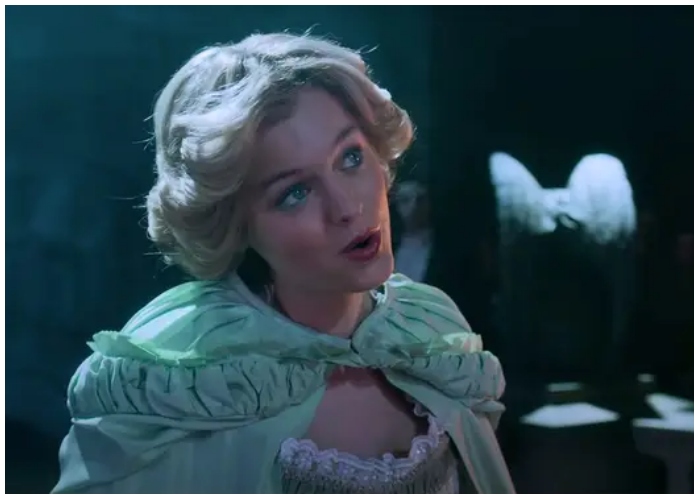
While some viewers were moved by the emotional depth and the vulnerability shown by Emma Corrin’s portrayal of Diana, others found the scene cringe-worthy and overly dramatized. Critics argue that it strays from the series’ usually grounded approach, delving into a territory that felt more theatrical than real. The divergence in audience reactions highlights the fine line “The Crown” walks in its dramatization of real-life events. This scene, in particular, is a prime example of the challenges faced in striking a balance between historical accuracy and creative storytelling. Whether loved or loathed, the Diana singing scene undeniably remains one of the series’s most memorable and talked-about moments.
Dahmer’s Worst Episode (Season 1, Episode 1)
The episode focuses on the escape of one of Dahmer’s victims, who tragically gets returned to Dahmer by the police. This episode has been criticized for its harrowing portrayal of both the victim’s desperate attempt to escape and the subsequent failure of law enforcement to intervene effectively. This is the main reason fans ranked this episode as the worst.
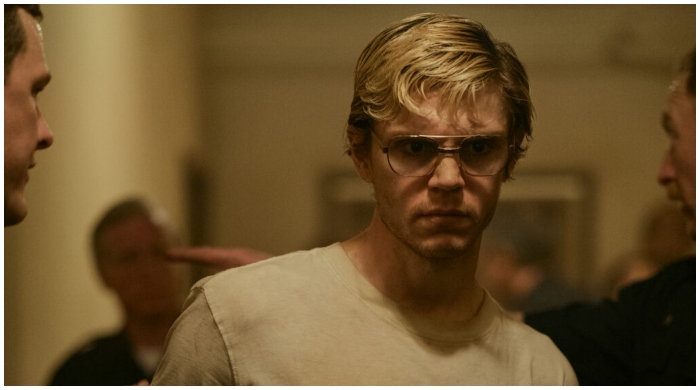
The episode is a stark reminder of the real-life systemic failures that allowed Dahmer’s crimes to continue for so long. It’s a gut-wrenching watch, deeply unsettling. It opens up many conversations about societal and systemic oversight roles in such tragedies.
Dahmer’s Worst Scene
One particularly harrowing scene that stands out is Dahmer’s first kill. This scene is depicted with a chilling and graphic intensity that leaves viewers aghast.
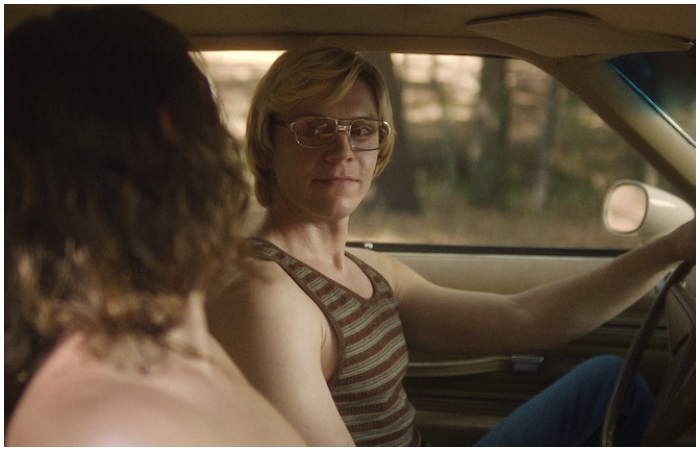
It showcases not just the act itself but also delves into the twisted psyche of Dahmer, played masterfully by the actor. The graphic nature of the scene, combined with its psychological exploration, makes it profoundly disturbing and arguably the worst in terms of viewer discomfort.
Wednesday’s Worst Episode (Season 1, Episode 5)
In the “Wednesday” TV series, the episode “You Reap What You Woe” is considered the lowest-rated according to Series with Sophie. This episode, the fifth in the series, focuses on Wednesday Addams as she delves deeper into her family’s mysterious past. The events unfold during Parents Weekend at Nevermore Academy, where Wednesday’s investigative efforts unexpectedly lead to her father being arrested.
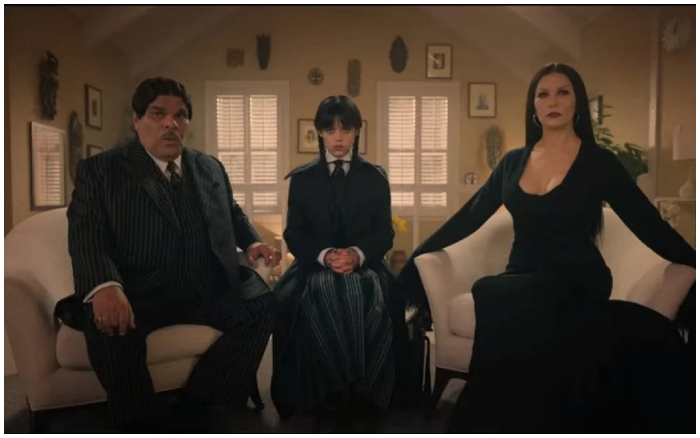
The episode highlights the series’ blend of dark humor and mystery, contributing to the overarching narrative of Wednesday’s journey at Nevermore Academy and her efforts to uncover hidden truths about her family and the academy itself.
Wednesday’s Worst Scene
In the series “Wednesday,” one of the most underwhelming elements involves the Nightshades, a secret society at Nevermore Academy. Initially, the Nightshades are shrouded in mystery and intrigue, hinted to be a significant aspect of the plot. However, as the story unfolds, it becomes apparent that the society lacks substance and relevance to the overall narrative.
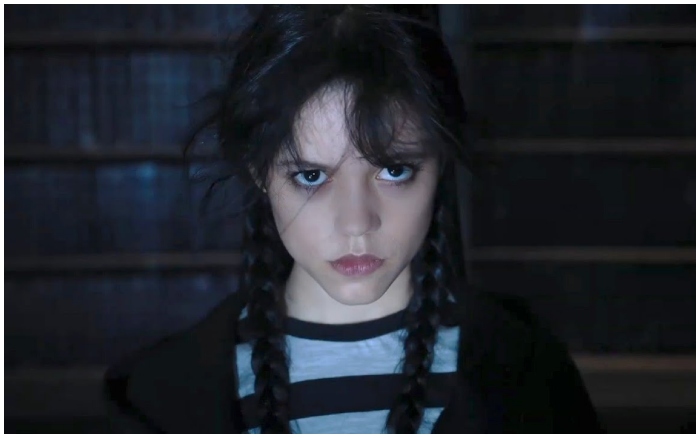
The expectation of a complex, influential group, akin to secret societies in other thriller or mystery stories, falls flat as the Nightshades turn out to be more of a superficial element rather than a pivotal part of the plot. This reveal was a letdown for the audience and the character Wednesday, who discovers that the society’s current state is far from its legendary origins.
Stranger Things Worst Episode (Season 2, Episode 7)
In “Stranger Things,” a series lauded for its blend of supernatural thrills and nostalgic nods to the 80s, one episode often stands out for not fitting in with the rest: ‘The Lost Sister’ from Season 2. This episode detours from the main storyline, focusing on Eleven’s journey to find her “sister,” another test subject from the Hawkins lab.
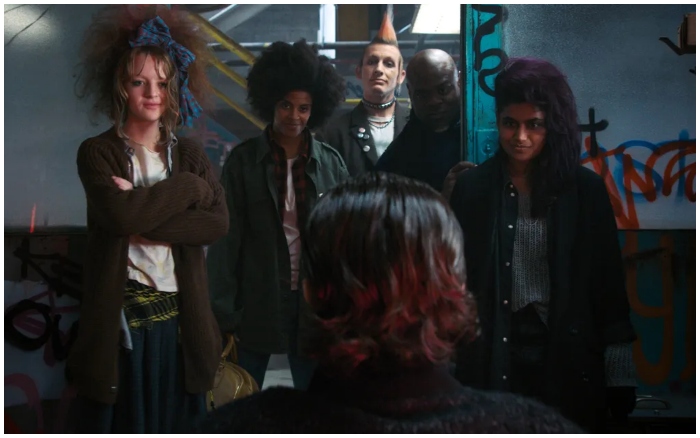
While this episode aimed to explore Eleven’s character outside the familiar setting of Hawkins, it received mixed reactions from the audience. Critics and fans alike pointed out that the episode felt disjointed from the main narrative, breaking the momentum built up over the season. Introducing new characters and a shift in tone left many viewers feeling that this detour was more of a distraction than a meaningful addition to Eleven’s story arc.
Stranger Things Worst Scene (Season 2)
Certain scenes can be polarizing even in a show celebrated for its emotional depth and character development. One such moment in “Stranger Things” is the heated argument between Hopper and Eleven in Season 2. The scene depicts a father-daughter-like conflict, with both characters expressing frustration and anger.
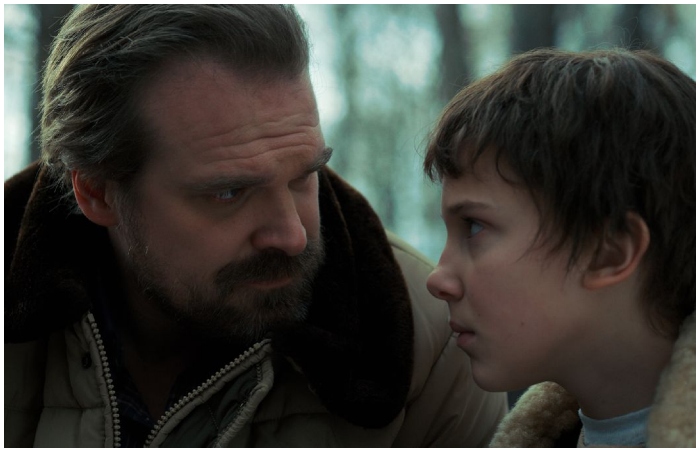
While this scene was integral in showcasing the growing pains of their relationship and Eleven’s struggle for independence, some viewers found it too intense and distressing. The emotional rawness of the scene, coupled with the characters’ extreme reactions, was perceived by some as a departure from their usual dynamics, causing discomfort to a segment of the audience.
The Umbrella Academy’s Worst Episode (Season 2, Episode 3)
“The Umbrella Academy,” known for its eclectic mix of dark comedy, family drama, and superhero antics, occasionally hits a note that resonates differently with its audience. “The Swedish Job,” the second season’s third episode, is often cited as a point of contention. In this episode, the narrative takes a slower pace, focusing more on character development than the overarching plot.
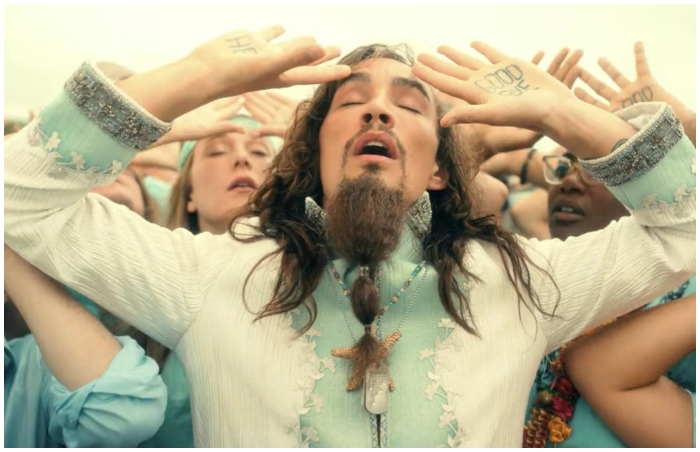
While some viewers appreciated the deeper dive into the characters’ backstories and emotional states, others found the pacing sluggish, lacking the dynamic action and plot progression expected from the series. The episode’s deviation from the main storyline and its relatively somber tone made it less appealing to a portion of the show’s fanbase.
The Umbrella Academy’s Worst Scene (Season 1 Finale)
In a show filled with supernatural powers and dramatic reveals, one scene stands out for its intense emotional and visual impact: Vanya’s power unleashing in the season 1 finale. This pivotal moment, where Vanya fully embraces her powers, culminating in a catastrophic event, has been a debate among viewers.
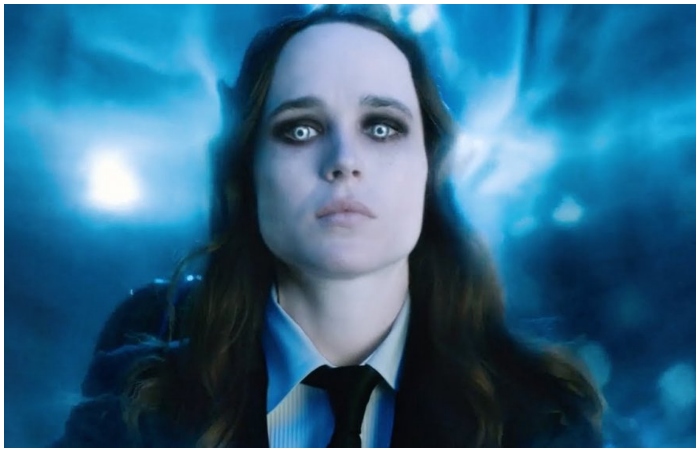
On the one hand, the scene is lauded for its stunning visual effects and the powerful performance by the actress, illustrating the culmination of Vanya’s emotional turmoil and sense of betrayal. On the other hand, some fans argue that the scene felt overly dramatic and a bit too convenient as a plot device, leading to a somewhat predictable cliffhanger. Some saw the scene’s portrayal of Vanya’s transition from a suppressed character to an almost villainous figure as a sharp and unsettling turn in her character arc.
The Simpsons’ Worst Episode (Season 9, Episode 2)
“The Simpsons,” a show renowned for its satirical and often boundary-pushing humor, has had its share of controversial moments. Among these, “The Principal and the Pauper” is particularly divisive. This episode reveals that Principal Skinner, a long-standing and beloved character, is an impostor named Armin Tamzarian.
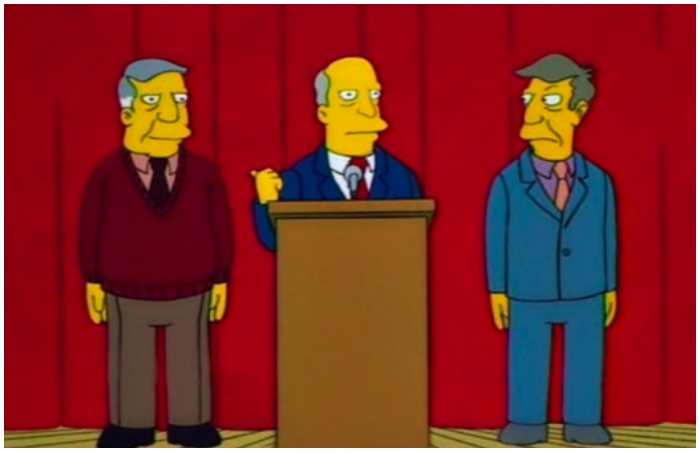
The revelation and subsequent replacement of Skinner’s character were met with confusion and disappointment from fans and critics. Many felt that this twist undermined the integrity of the character and was a departure from the show’s established narrative style. The episode is often cited as an example of the series straying from its roots and taking creative risks that didn’t quite pay off with its audience.
The Simpsons’ Worst Scene (Season 31, Episode 18)
“The Simpsons” has had countless memorable scenes in a decade-long series, but not all were received with universal acclaim. One such scene occurs in the episode “The Incredible Lightness of Being a Baby,” where Homer Simpson shares his vision of marriage in a conversation with Marge.
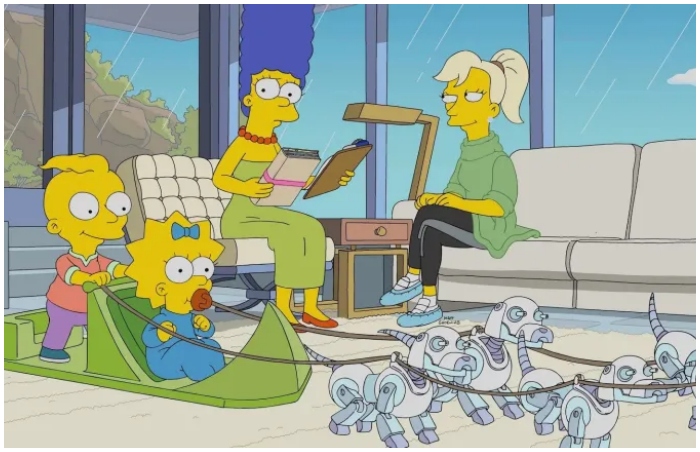
In this scene, Homer’s portrayal of marriage is exaggeratedly simplistic and somewhat dismissive, which some viewers find to misrepresent the character’s usual, albeit flawed, dedication to his family. Critics argue that the scene played into negative stereotypes and lacked the show’s characteristic depth and warmth in exploring family dynamics. This moment departed from the more nuanced and affectionate portrayal of the Simpsons’ family life, a cornerstone of the show’s enduring appeal.
The Lord of the Rings: The Rings of Power’s Worst Episode (Season 1, Episode 5)
One of the episodes of “The Lord of the Rings: The Rings of Power” that faced criticism involves sabotaging the Númenórean boats. This episode, part of a political subplot, was viewed as less compelling and engaging than others.
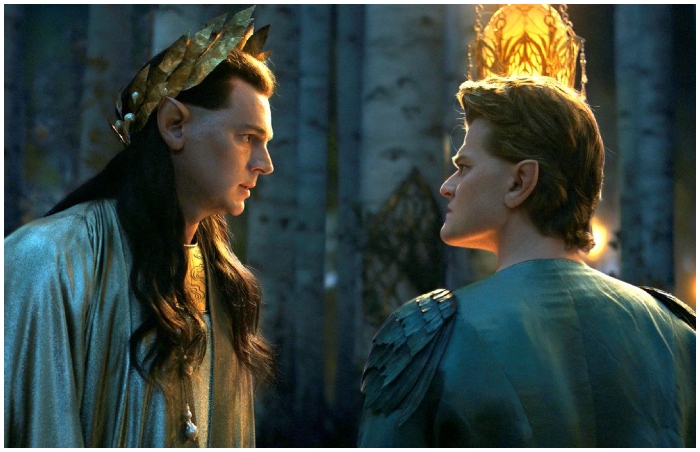
The storyline around this event was considered weak, with the characters’ motivations and actions not resonating well with the audience. This episode’s reception highlights the challenges of integrating complex political storylines in a fantasy setting.
The Lord of the Rings: The Rings of Power’s Worst Scene
In “The Lord of the Rings: The Rings of Power,” one of the scenes that received criticism involves Durin IV giving Elrond a piece of Mithril. This moment is seen as a poor decision for the character, as it involves deceit and risks exposing Mithril’s secret.
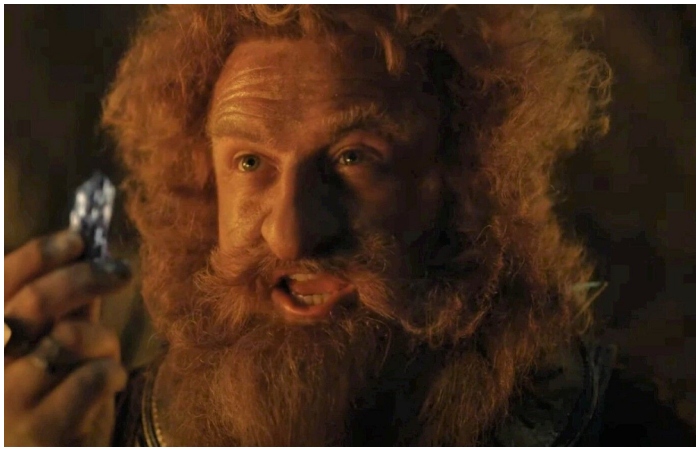
Another less favored aspect is the sabotage of the Númenórean boats, a subplot involving political intrigue that was viewed as poorly executed and unconvincing. These moments were criticized for their impact on the storyline and character development.
Hocus Pocus 2 Worst Scene
In “Hocus Pocus 2,” a scene that received notable criticism involves the treatment of Mayor Traske’s character. The character, portrayed by Tony Hale, is depicted as out of touch and somewhat strict but essentially a reasonable person.
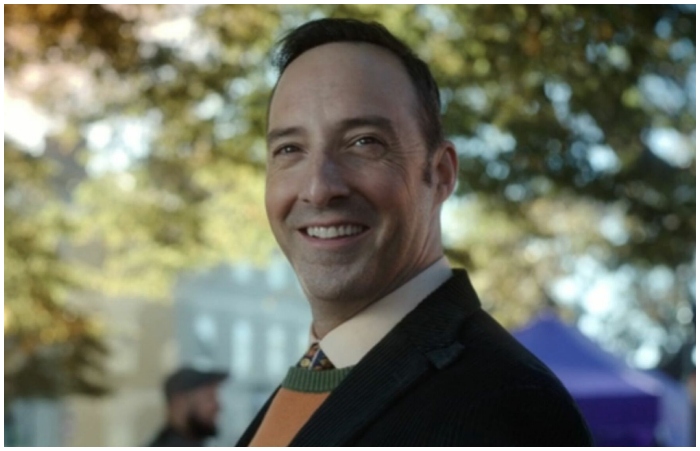
However, the film’s narrative unfairly punishes him, which didn’t sit well with some viewers. The criticism centers around the inconsistency in the film’s treatment of his character, particularly given his relatively benign nature compared to his ancestor, Reverend Traske.
Hocus Pocus 2 Worst Criticism
Another aspect that faced criticism was the lack of age diversity in the cast. The original “Hocus Pocus” movie featured a more diverse range of ages among its characters, which appealed to a broader audience.
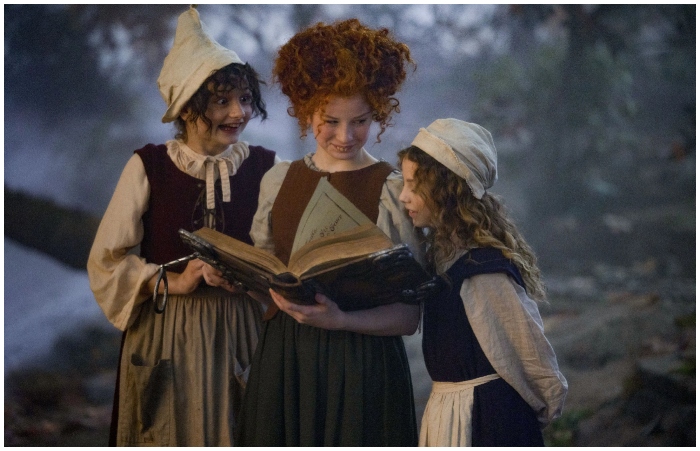
In contrast, “Hocus Pocus 2” primarily features teenagers and cartoonish adults, leading to a loss of the all-ages charm the first film had. This shift in character dynamics was noted as a detracting factor for viewers who appreciated the original film’s ability to engage audiences of all ages.